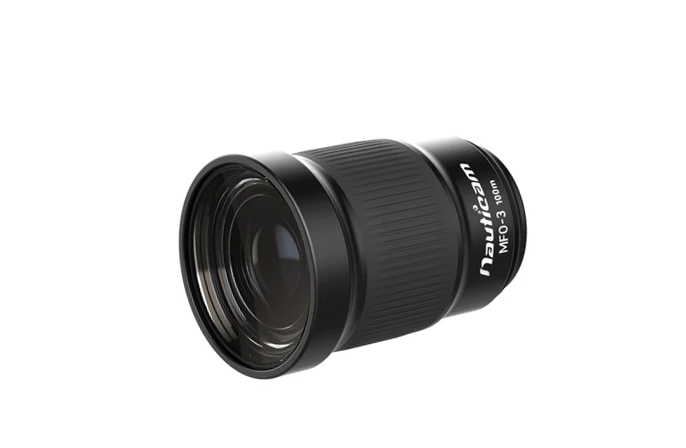
After more than a year of underwater photography with Nauticam’s MFO-3, my conclusion is simple: I think it’s fantastic. For full-frame photographers using a 90mm, 100mm or 105mm macro lens, I believe it deserves a permanent place in the camera bag.
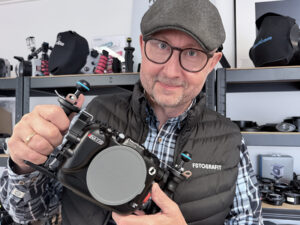
By Lars Kirkegaard, FOTOGRAFIT.eu
In underwater photography, a few accessories genuinely change what you can do on a dive. The MFO-3 is one of them. I have now used it for more than a year, and it has become part of how I plan nearly every macro dive.
The problem with a 90–105mm macro lens
Our long macro lenses are incredibly capable, but sooner or later every photographer experiences the same frustration: an interesting subject is simply too large to fit the frame. You try to back away, only to put more water between your lens and the animal—or discover that there is no room behind you.
With a conventional macro setup you largely commit to a narrow perspective before you enter the water. The MFO-3 gives you another choice.
A wider view without giving up macro photography
Nauticam’s MFO-3 is a water-contact conversion optic that changes the effective perspective of compatible full-frame macro lenses. According to Nauticam’s compatibility chart, the change in field of view is:
- Sony FE 90mm Macro: from 27° to 45°
- Sony FE 100mm f/2.8 Macro GM: from 24° to 40°
- Canon RF 100mm f/2.8 L Macro: from 24° to 40°
- Canon EF 100mm f/2.8 L Macro: from 24° to 40°
- Nikon Z MC 105mm: from 23° to 38°
These numbers may look modest, but the difference is substantial underwater. For the Canon 100mm, for example, the MFO-3 widens the field of view from 24° to a remarkable 40°.
My switch from Sony 90mm to Sony 100mm
There is one change I have mixed feelings about: moving from the Sony 90mm macro to the newer Sony 100mm. The 100mm offers greater native macro magnification, and that is an excellent feature. But I was genuinely sad to lose some of the wider perspective I loved with the 90mm and MFO-3 combination.
That is an important reminder: more native magnification is not always what makes an underwater system more versatile. The exact result with any newer lens also depends on optical compatibility and should not be assumed from focal length alone. Nauticam’s Sony E-mount port chart specifies 24° without the MFO-3 and 40° with it for the Sony FE 100mm Macro GM, compared with 27° and 45° for the Sony 90mm. That confirms why I miss some of the wider perspective of my previous setup.
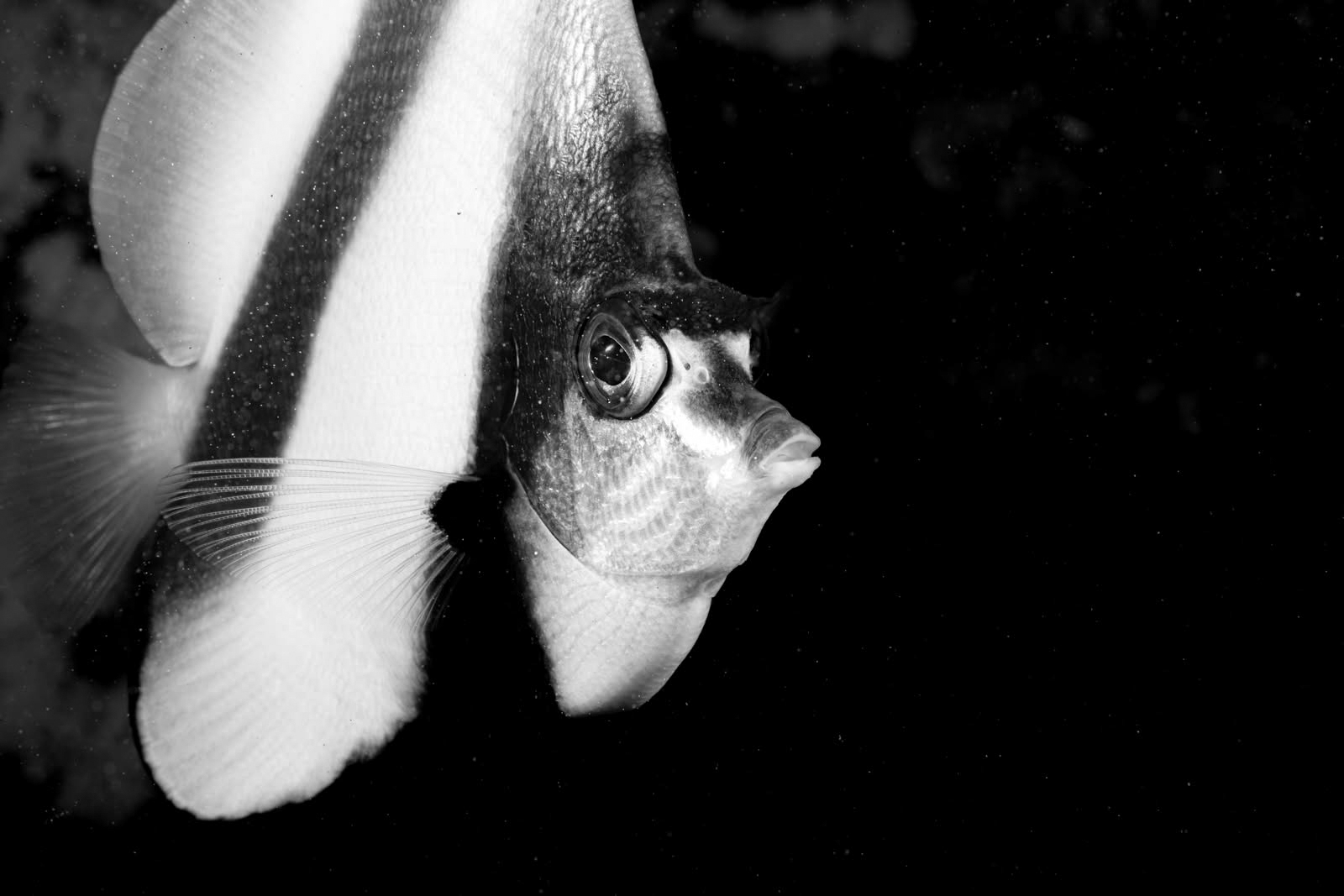
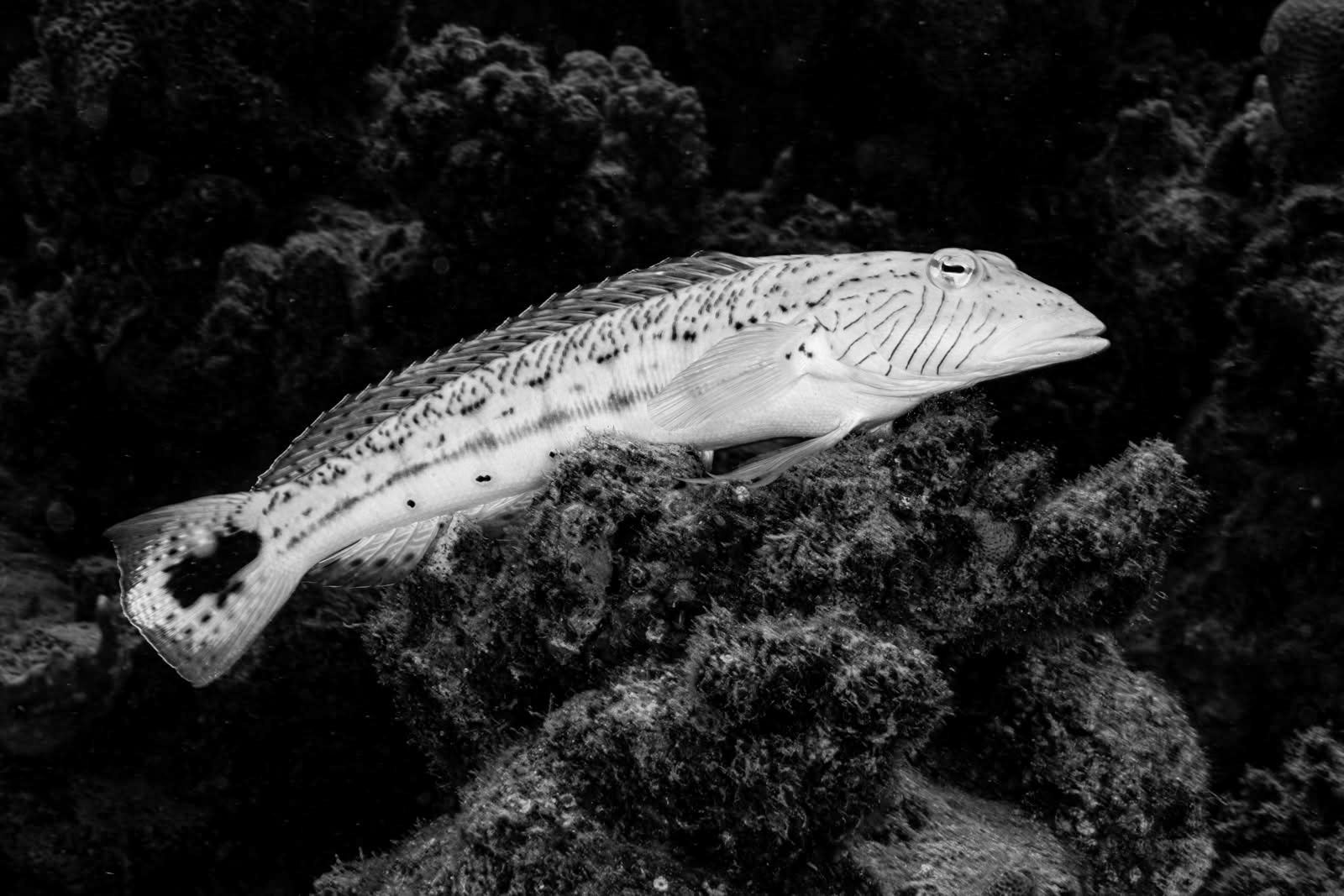
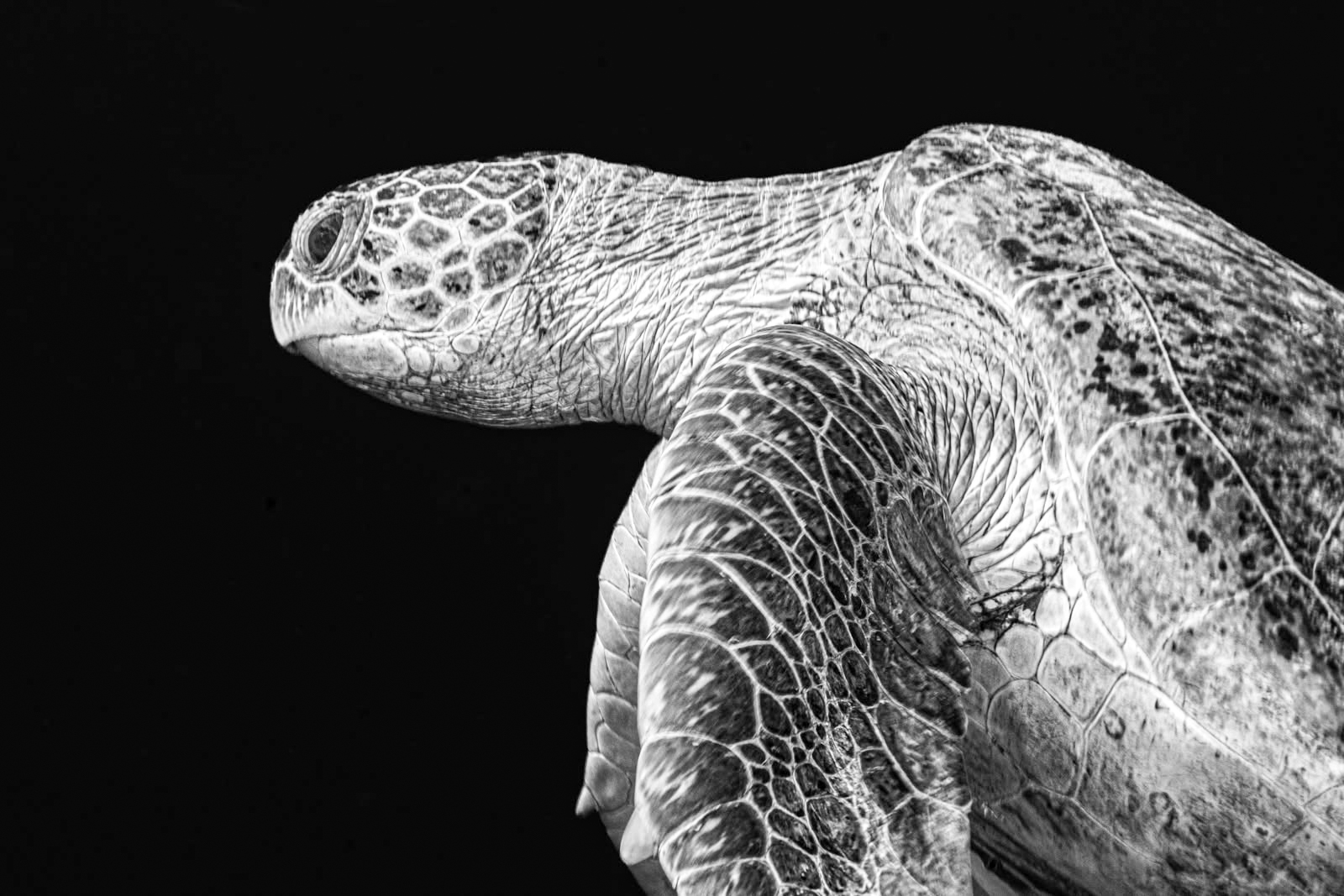
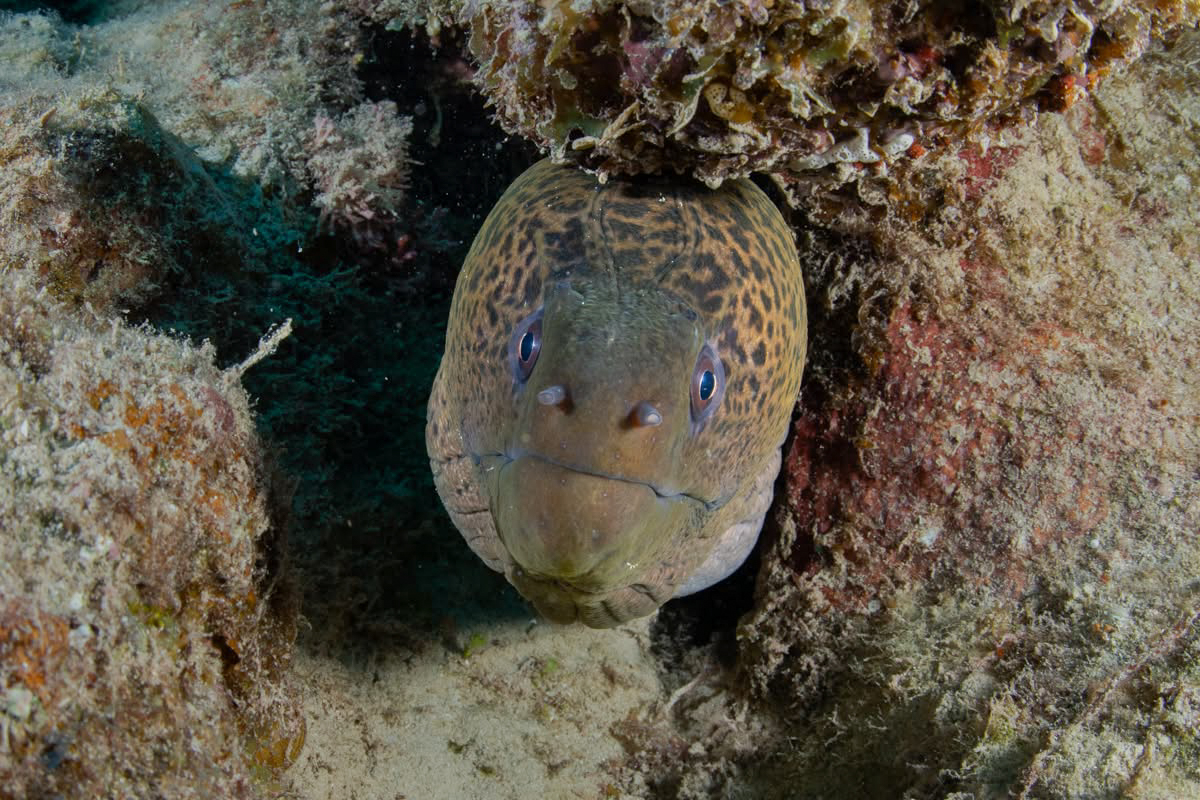
Larger fish portraits, frogfish, octopuses and close-focus compositions suddenly become much easier. Getting close also means less water between camera and subject, which can help preserve colour and contrast. It is not a replacement for a true wide-angle setup—but it brings a very useful wider perspective to a macro dive.
The Double Flip Holder makes the system
In my view, Nauticam’s own M67 Double Flip Holder (#25108) is essential. The real magic is not just adding an MFO-3. It is being able to switch instantly between the bare 90–105mm lens, the MFO-3 and a strong supermacro optic such as the Nauticam SMC-3.
Be careful which flip holder you buy: in my experience, the AOI double flip holder does not work with the MFO-3. This is not a detail I would compromise on. The holder I recommend—and the only double flip solution I use successfully with this setup—is Nauticam’s M67 Double Flip Holder, product #25108. Make sure your macro port uses the compatible M67 thread.
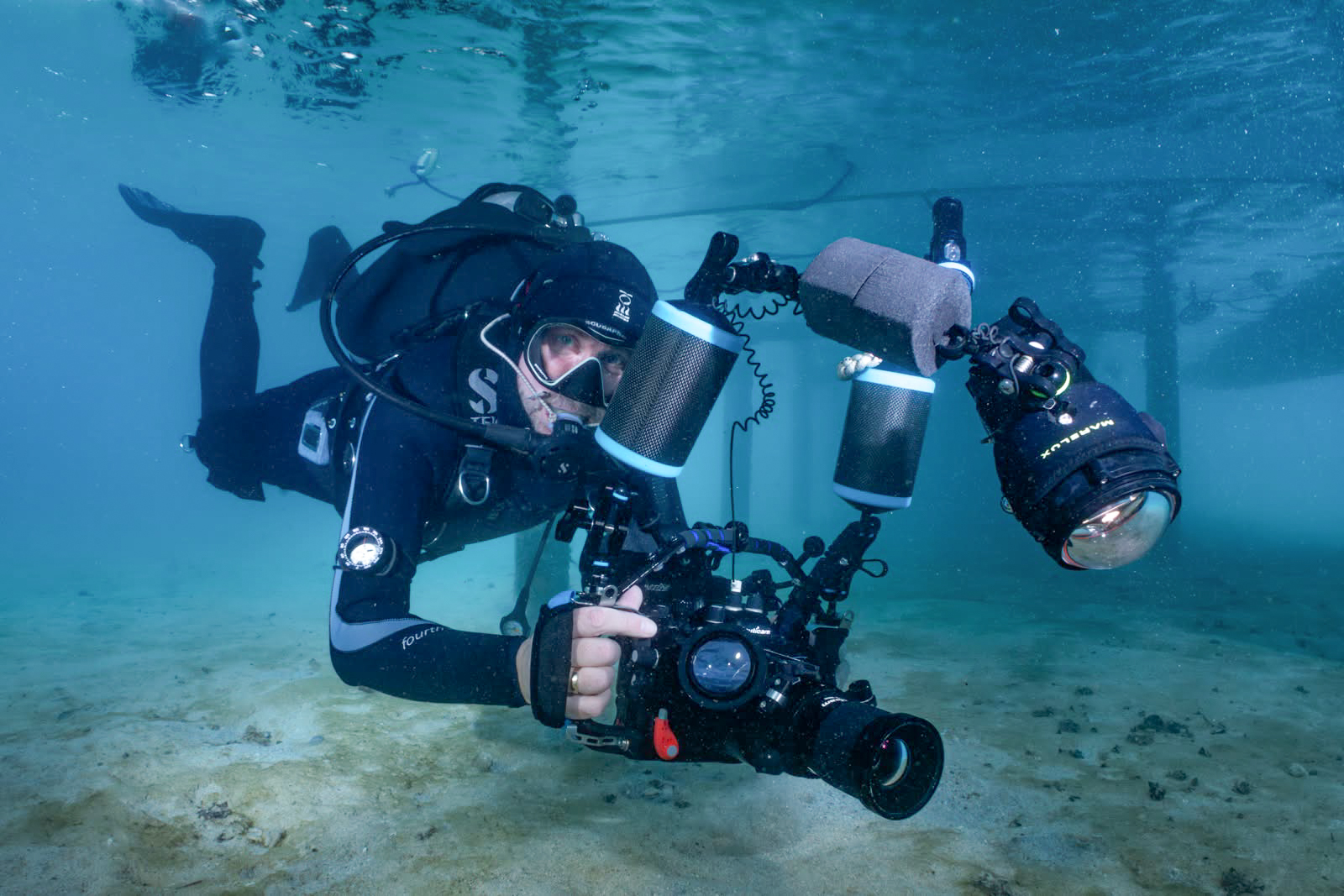
This gives me three photographic approaches on the same dive: standard macro for small subjects and working distance, MFO-3 for a wider close-focus perspective, and SMC-3 when I need considerably more magnification. Instead of unscrewing wet optics in the water, I can flip them into position as the subject changes.
The photographs tell the story
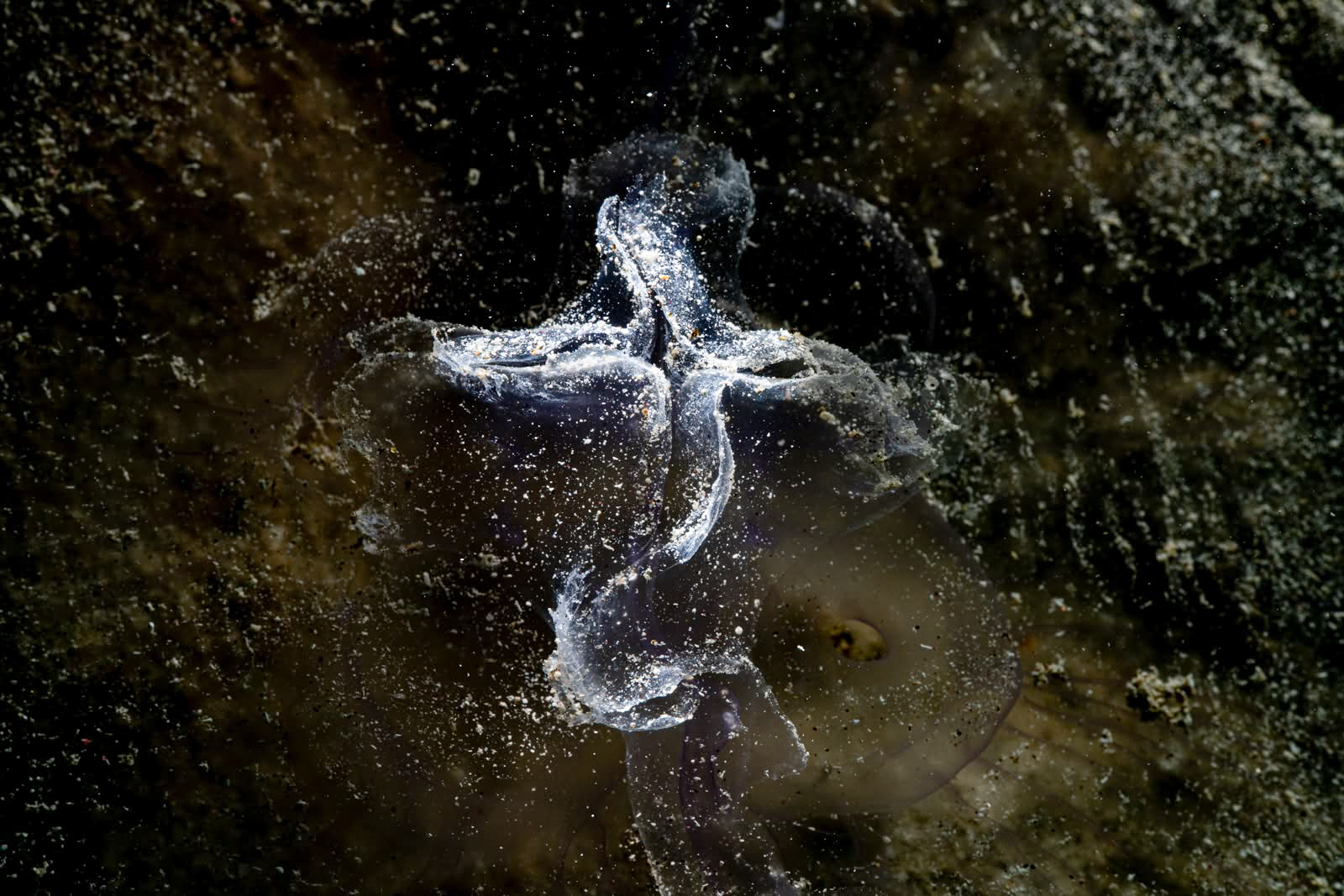
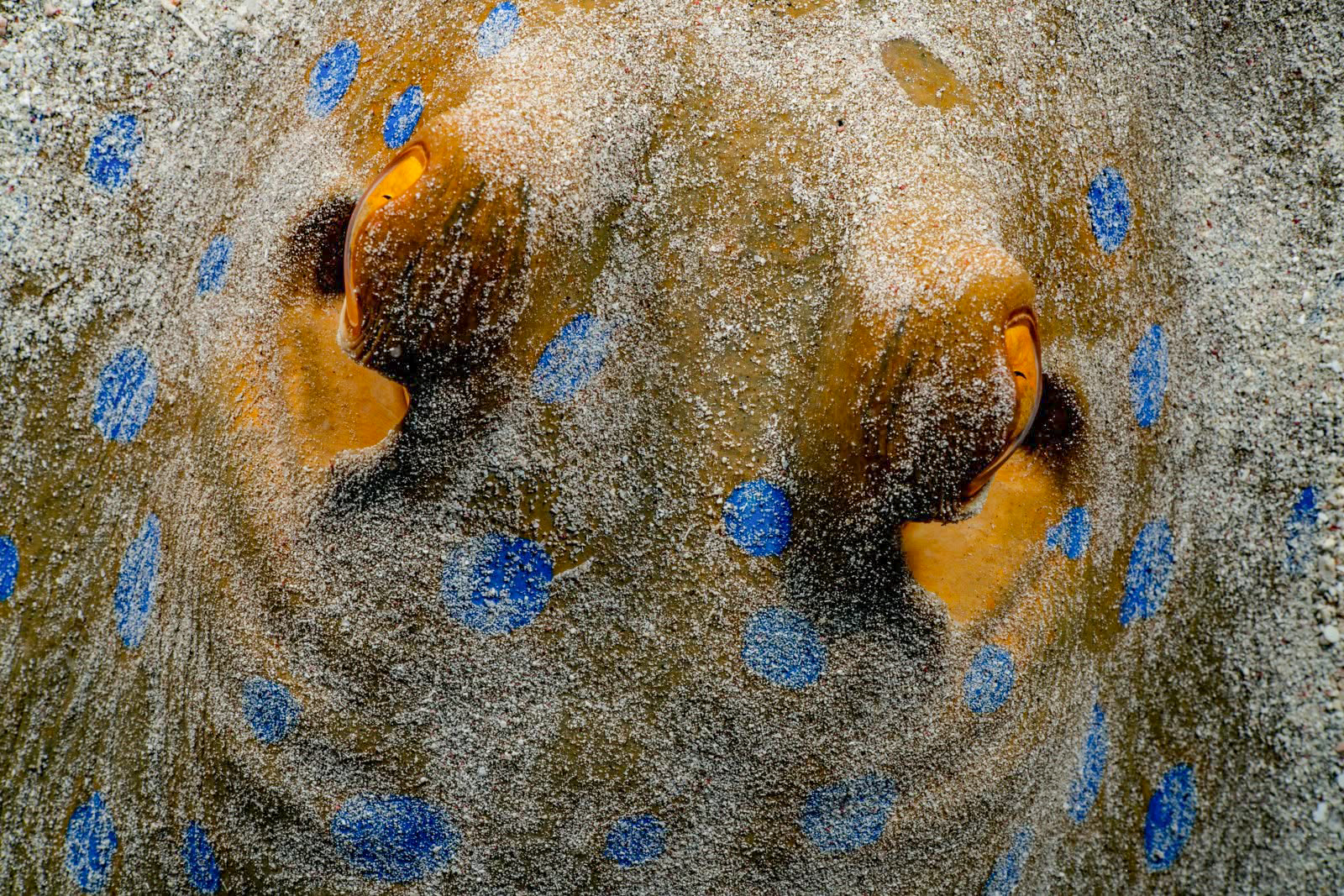
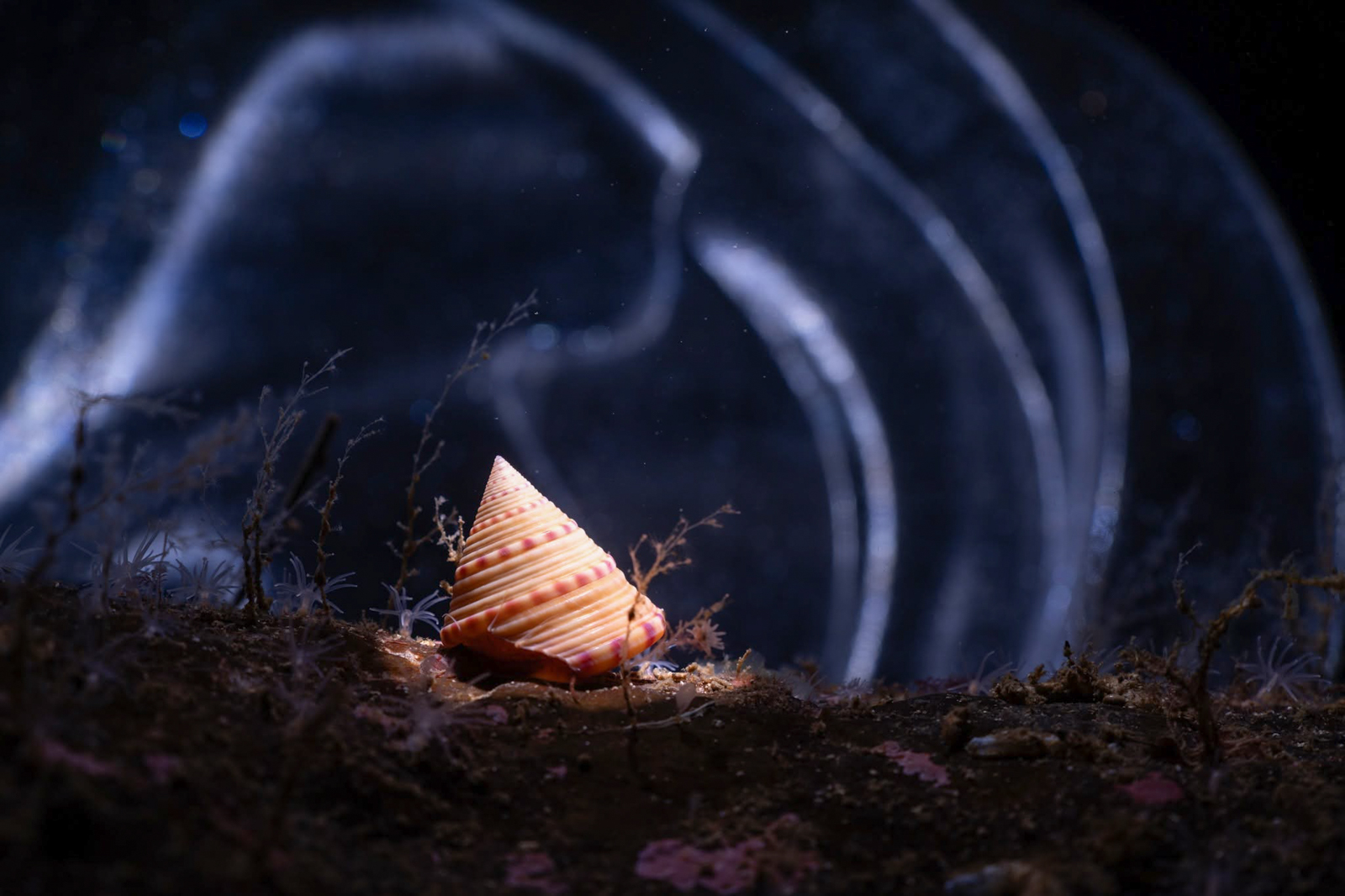
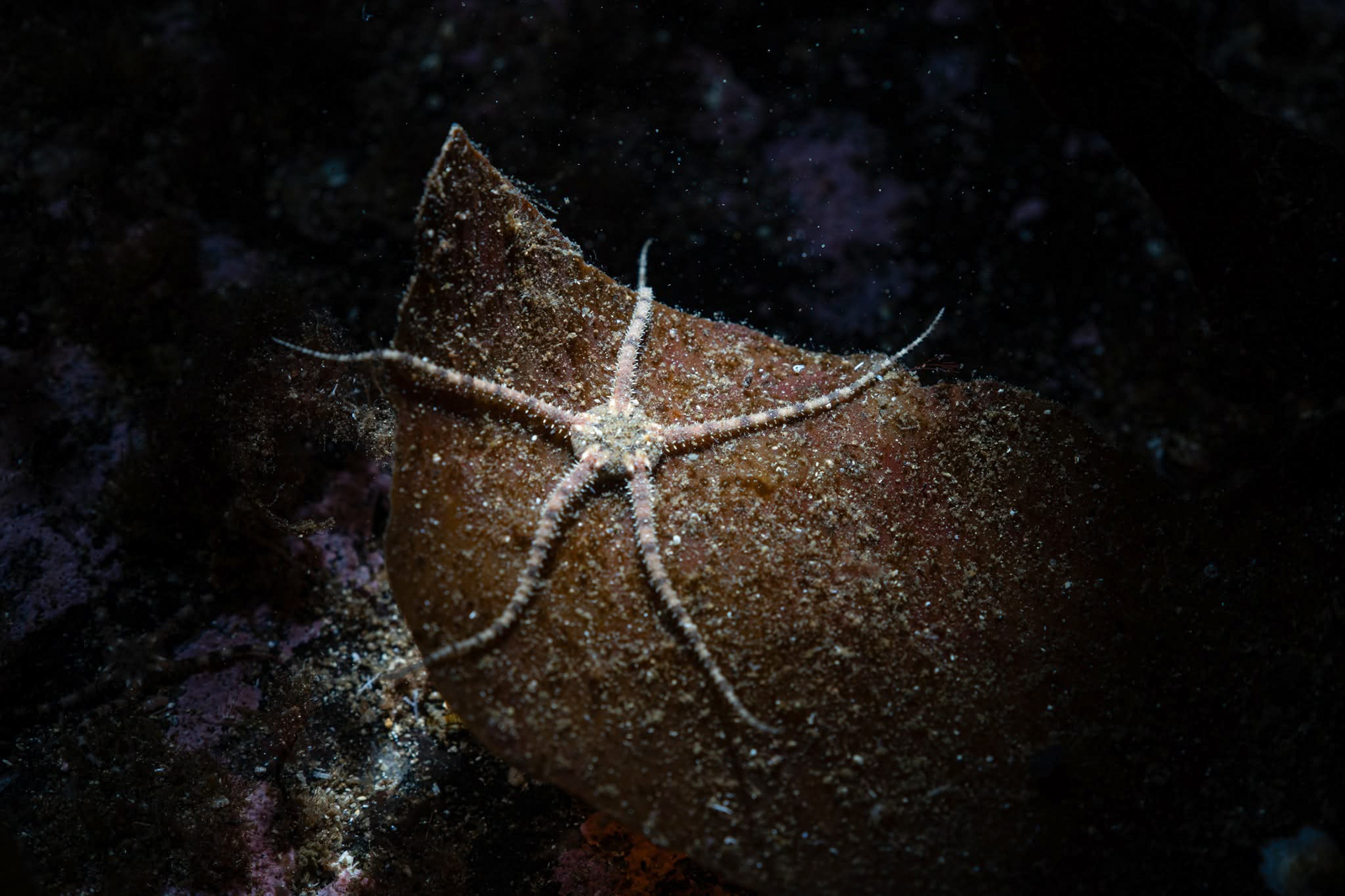
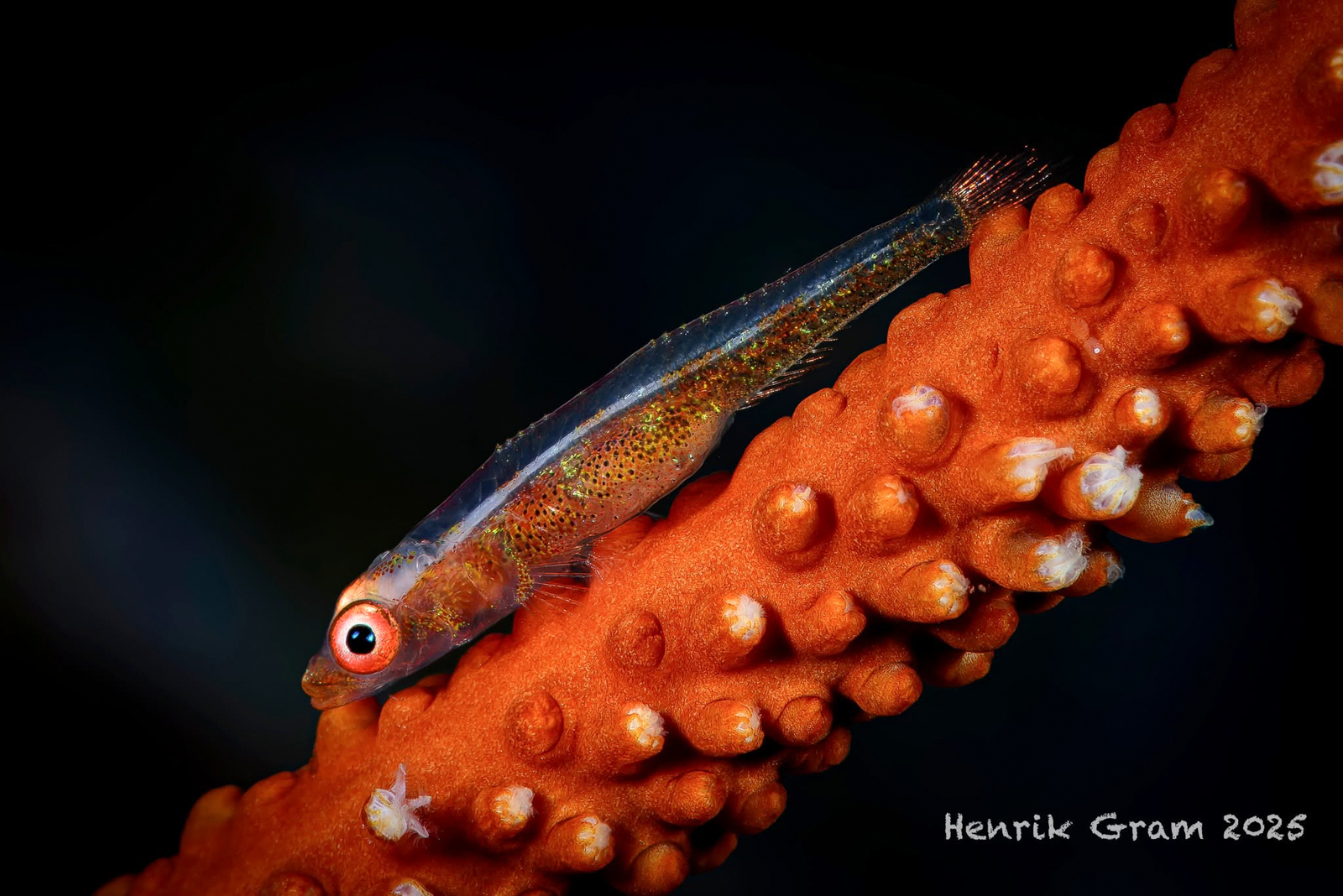
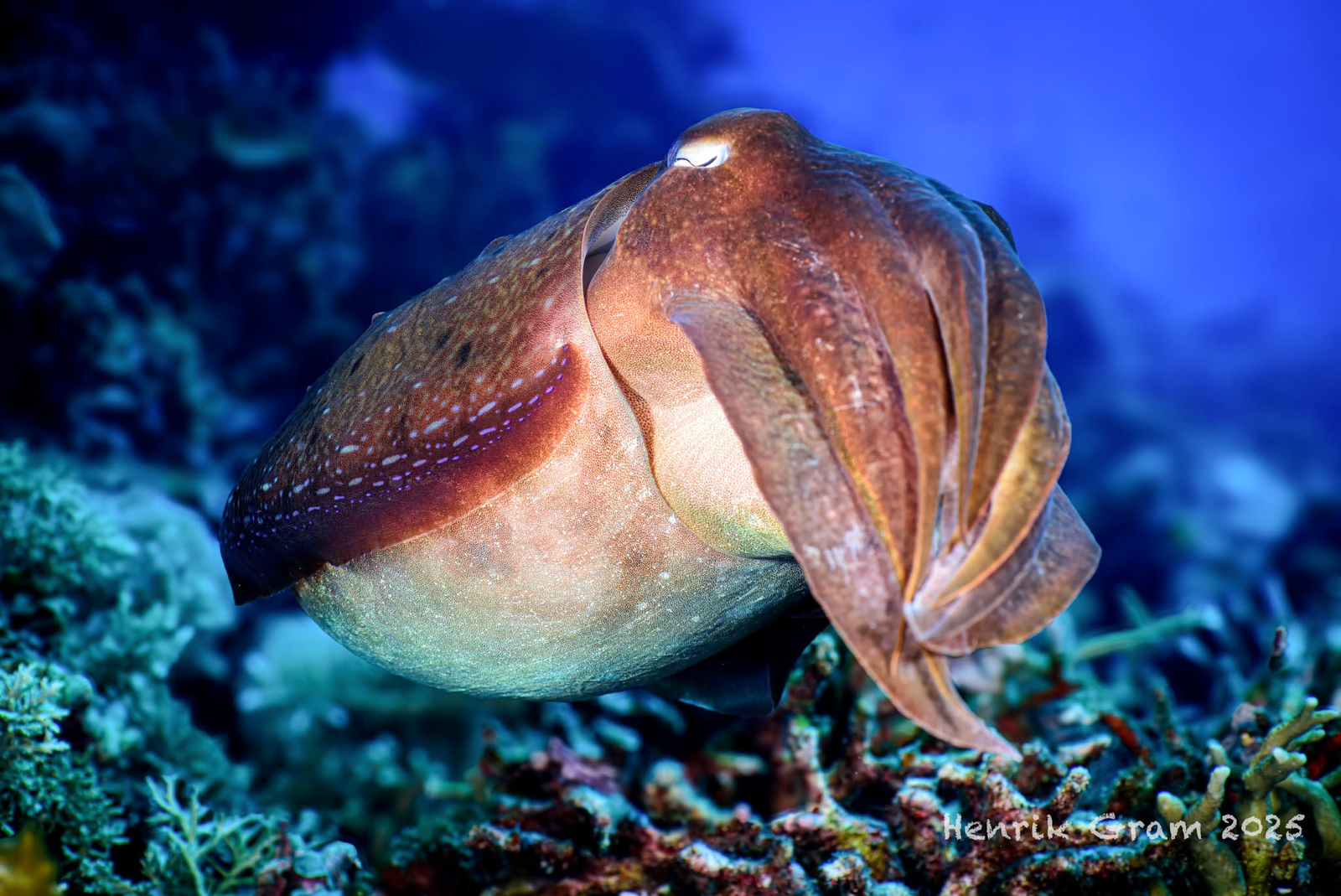
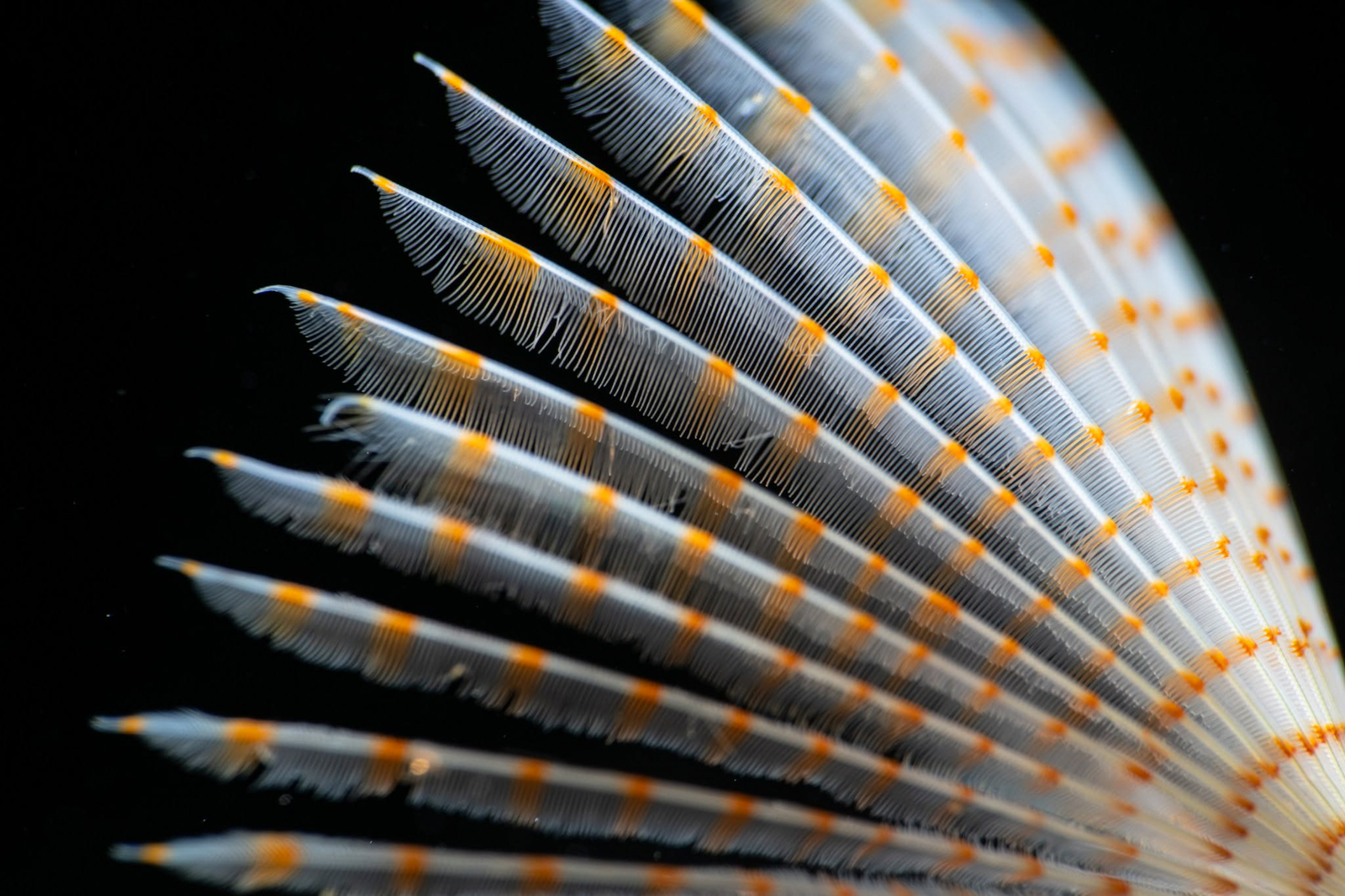
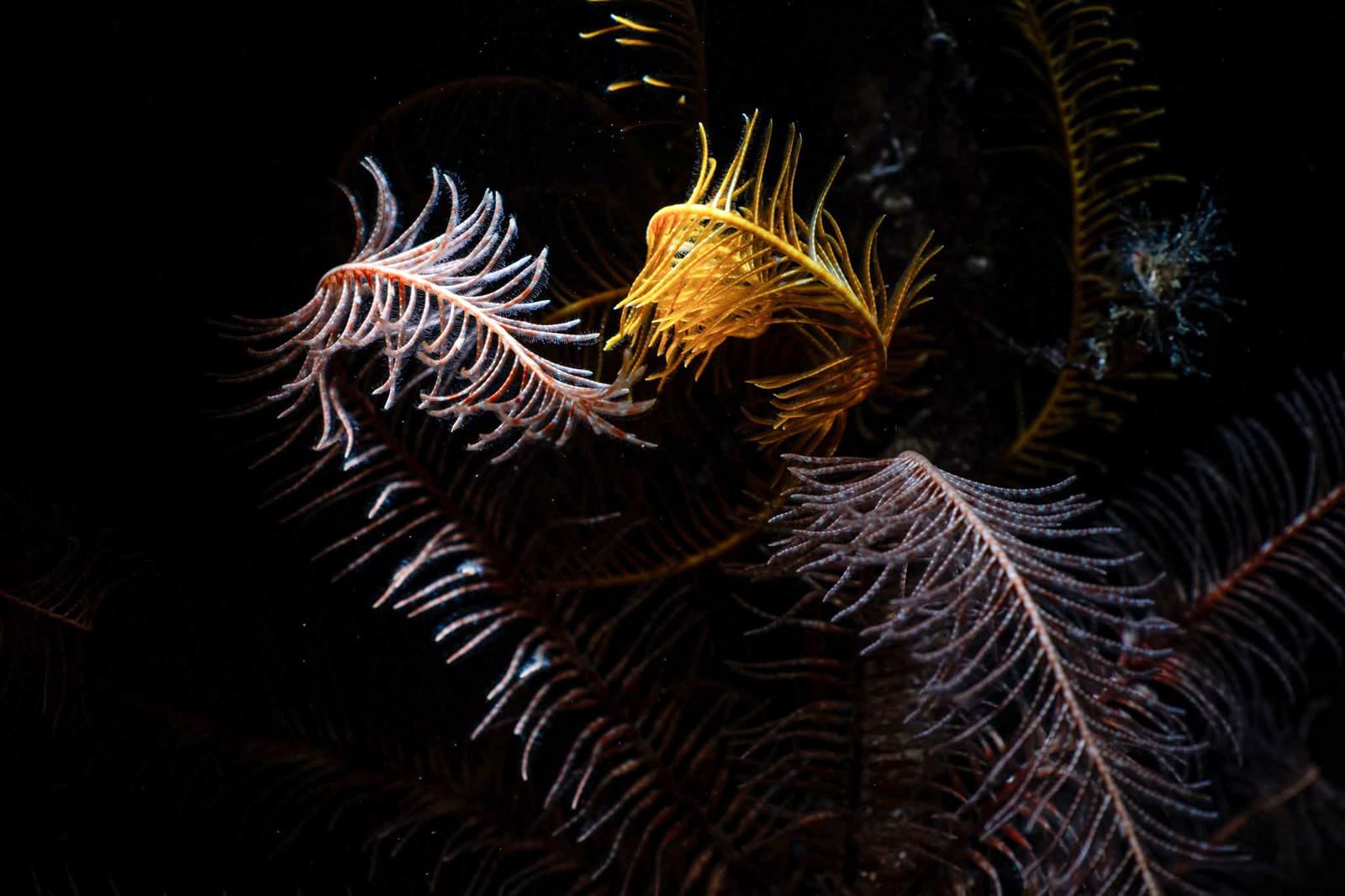
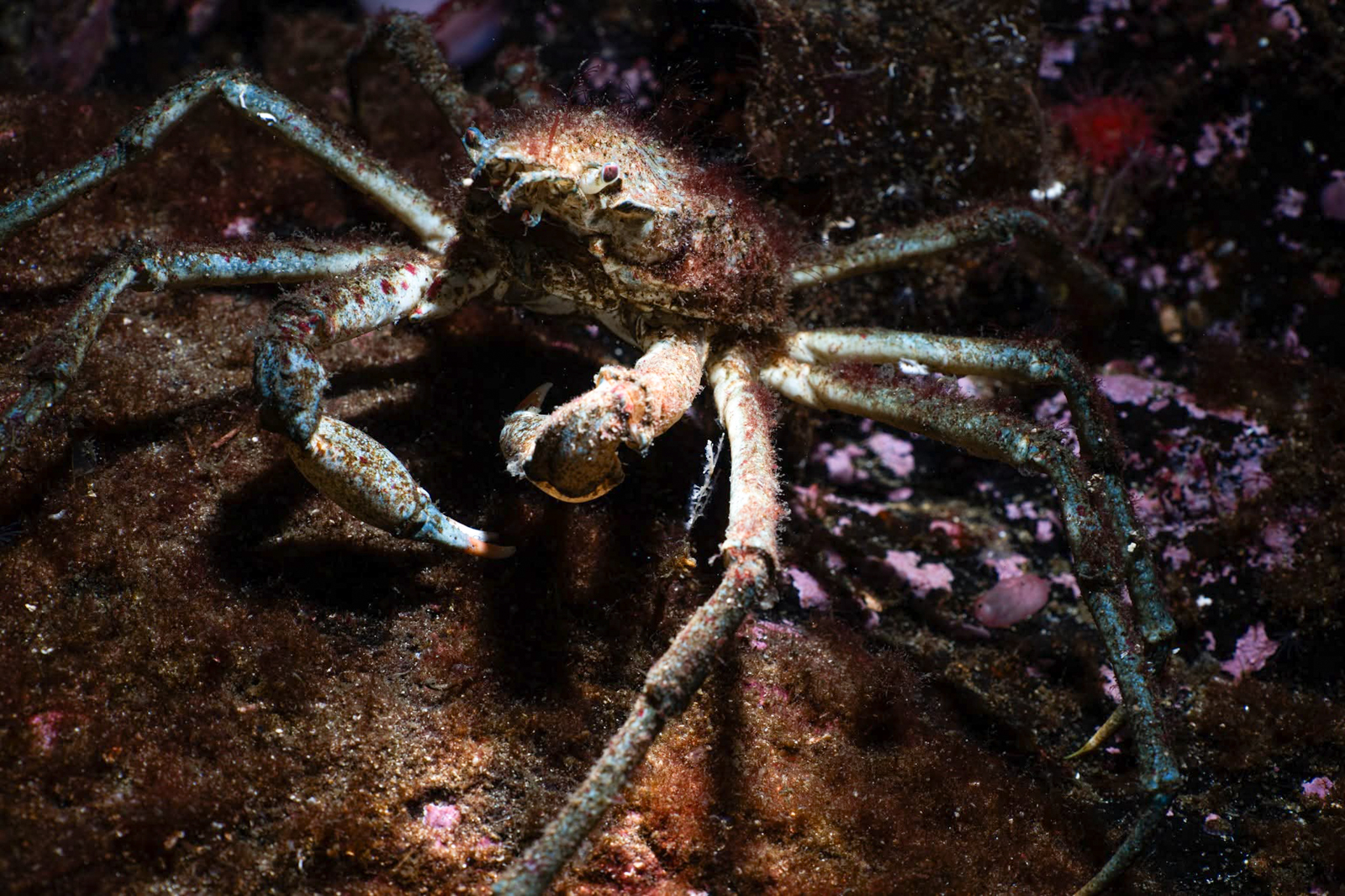
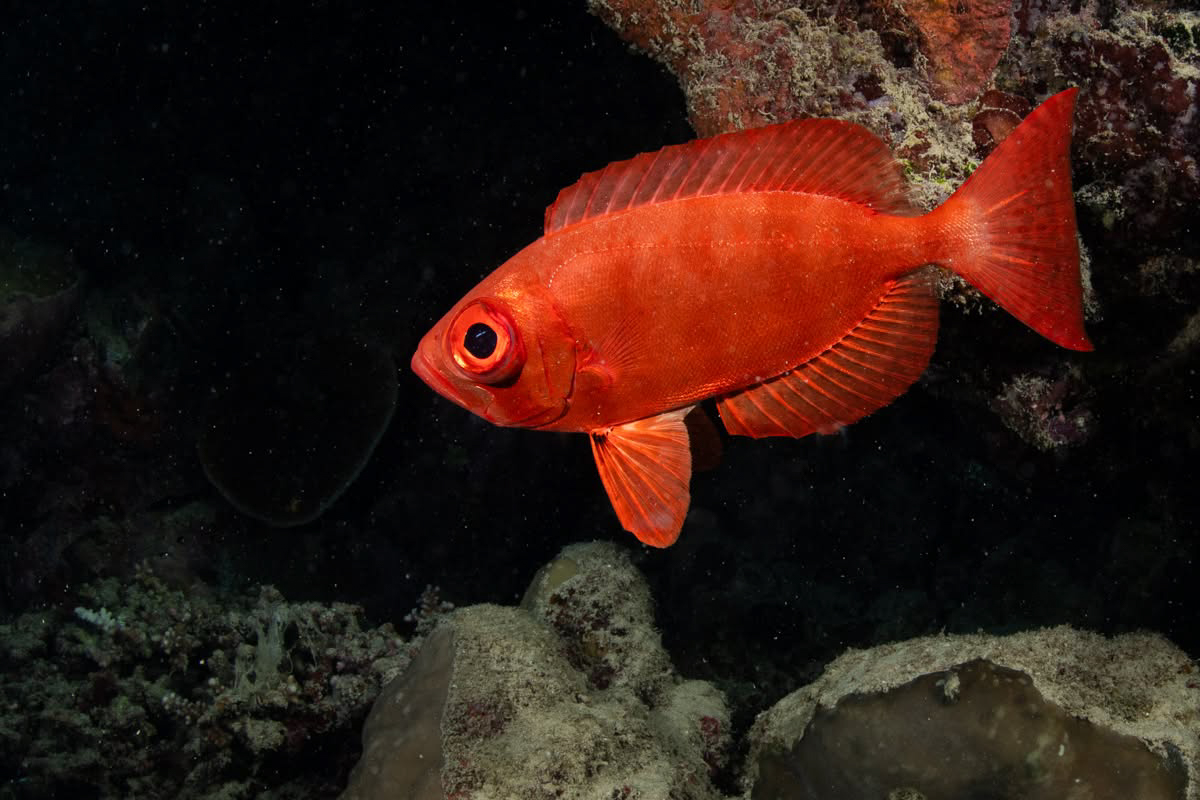
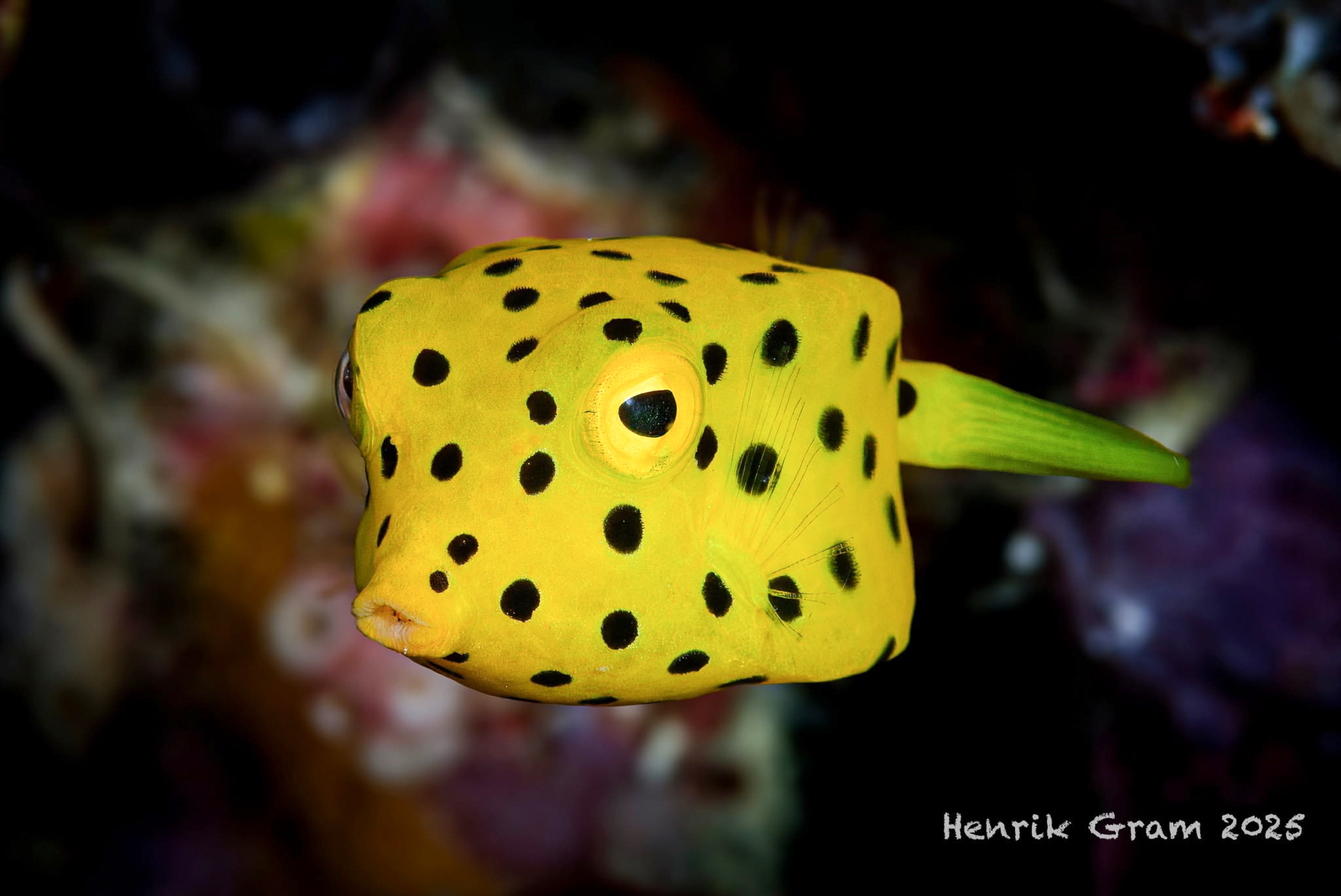
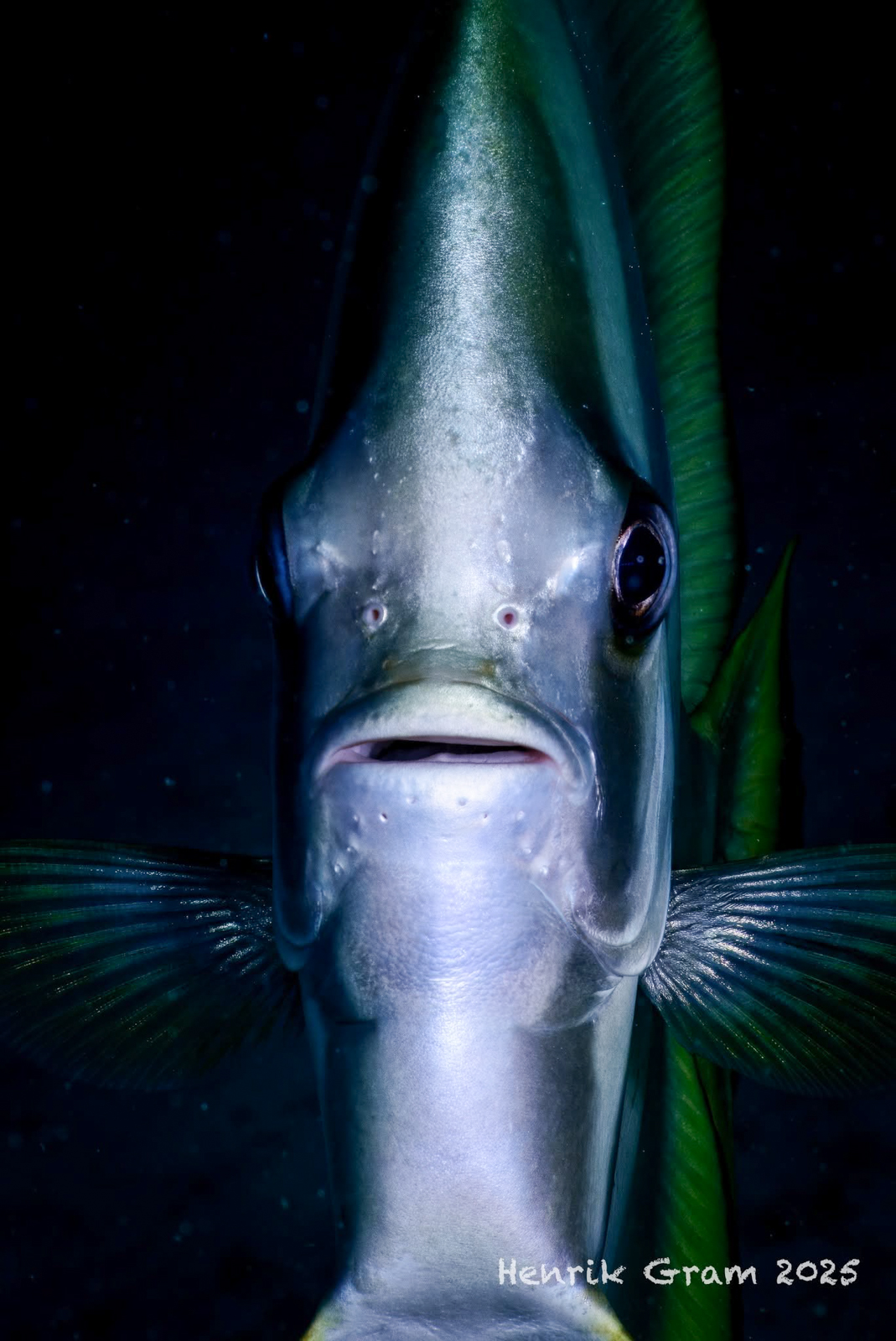
One of the best ways to understand the MFO-3 is to look at what it makes possible in real underwater conditions. The wider perspective can make a photograph feel more intimate, while giving the subject room in the frame. As ever, careful strobe placement and choosing the right distance remain important.
Large lens, surprisingly manageable underwater
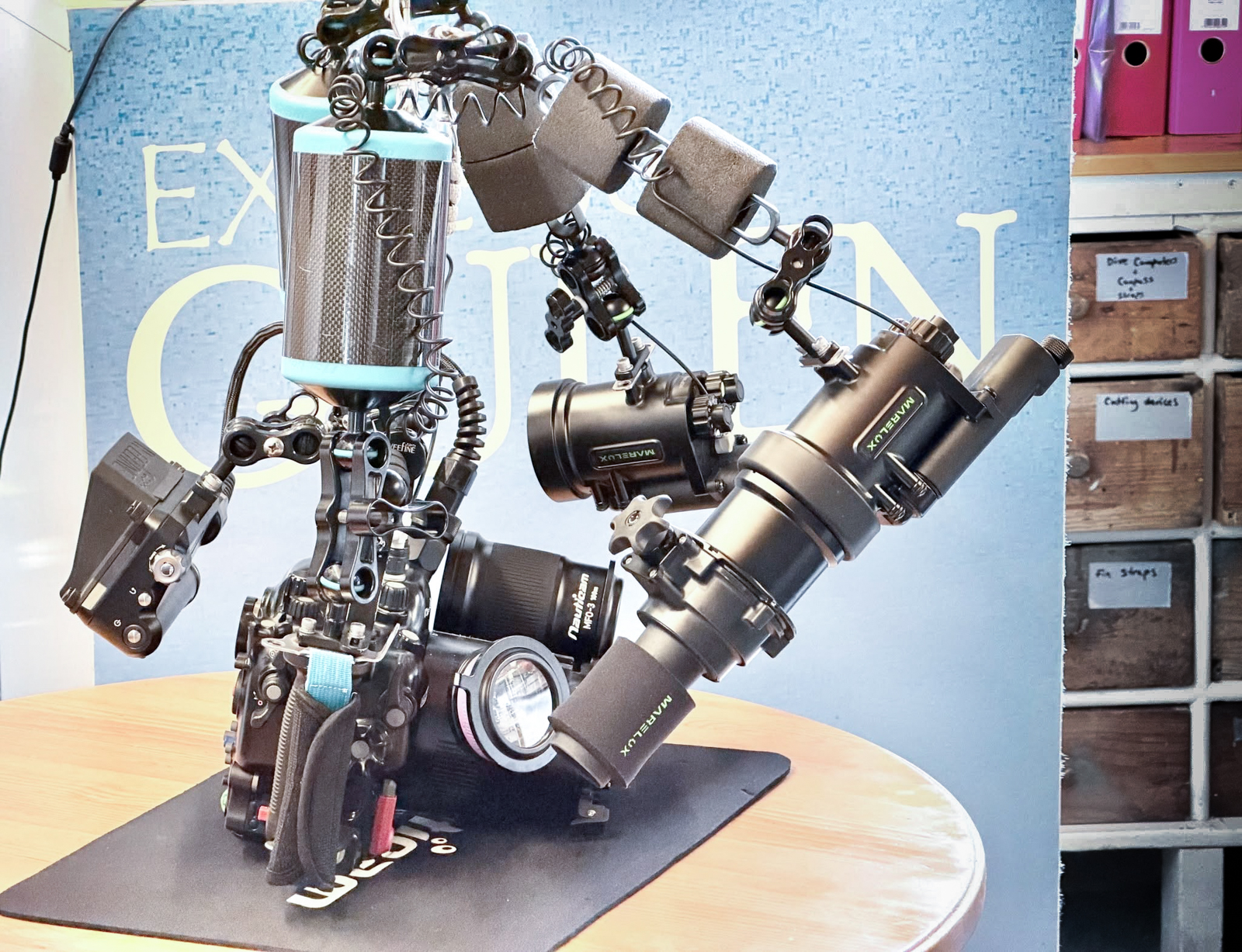
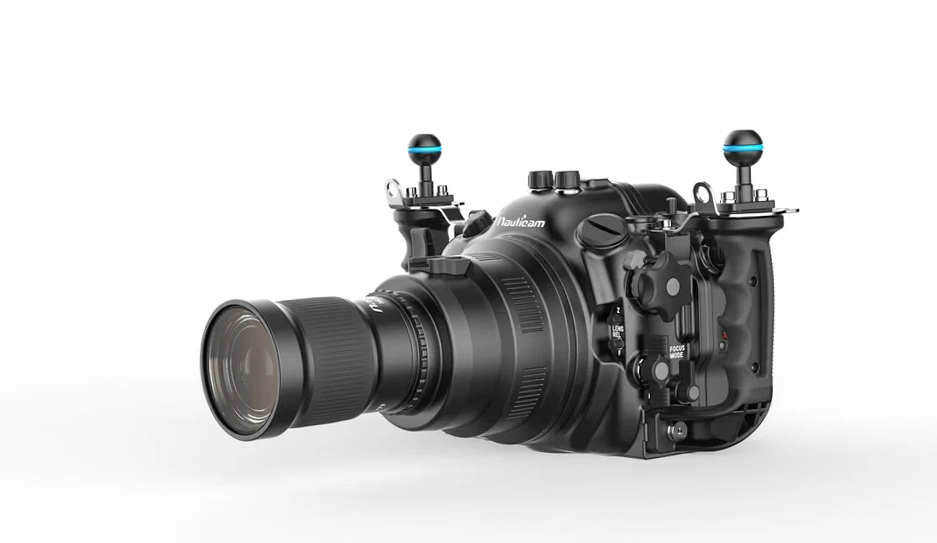
The MFO-3 does look substantial, but its in-water weight makes it much less intimidating than its dimensions suggest. Once integrated into a well-balanced housing and arm system, the practical gains easily justify the extra equipment for me.
More than a year later: my verdict
Some accessories start out exciting and then stay at home. The MFO-3 has done the opposite. After more than a year it has become even more important to my underwater photography.
My recommendation could hardly be stronger: if you’re shooting full-frame macro with a 90mm, 100mm or 105mm lens, consider the MFO-3 standard equipment—provided your particular lens and port combination is compatible. And use it with Nauticam’s Double Flip Holder and a powerful macro optic such as the SMC-3. I wouldn’t want to dive without it.
After my first dives last year, I honestly wasn’t sure what to think of the MFO-3
When I first tried the MFO-3, I couldn’t quite decide how I felt about it. I saw the potential, but I still had questions. That’s why I made this YouTube video after those first dives. More than a year later, my opinion is much clearer—and much more positive. Watch the original video to see where the story began.
Get the MFO-3 setup right – at FOTOGRAFIT.eu
Want the same versatility on your dives? The MFO-3 is the starting point, but the right flip holder makes all the difference. I strongly recommend combining it with Nauticam’s M67 Double Flip Holder #25108 and, if you’re serious about supermacro, an SMC-3.
Important: Don’t substitute the AOI Double Flip. In my experience it does not work with the MFO-3. Nauticam #25108 is the double flip holder I recommend for a compatible M67 macro port.
Shop Nauticam MFO-3 at FOTOGRAFIT.eu →
Shop Nauticam Double Flip #25108 →
Not sure about your housing, macro port or lens? Ask FOTOGRAFIT.eu before ordering, and we will help you select the correct combination.